
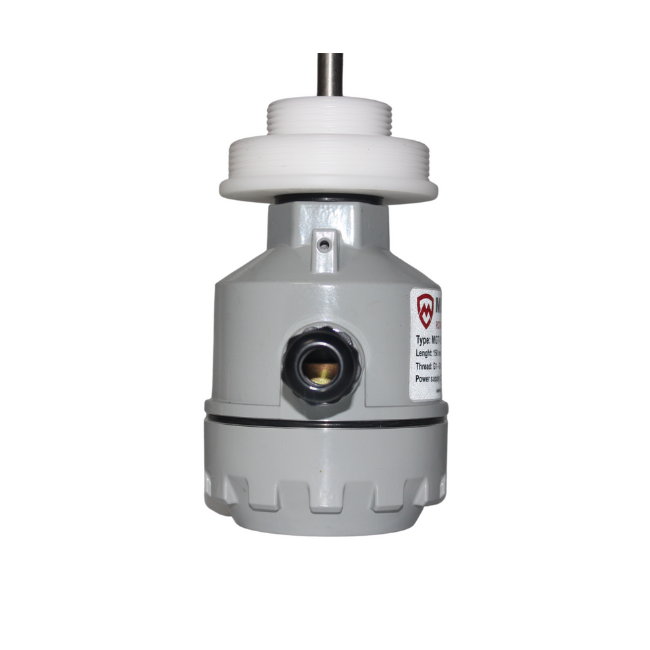








What is a Silo Level Sensor?
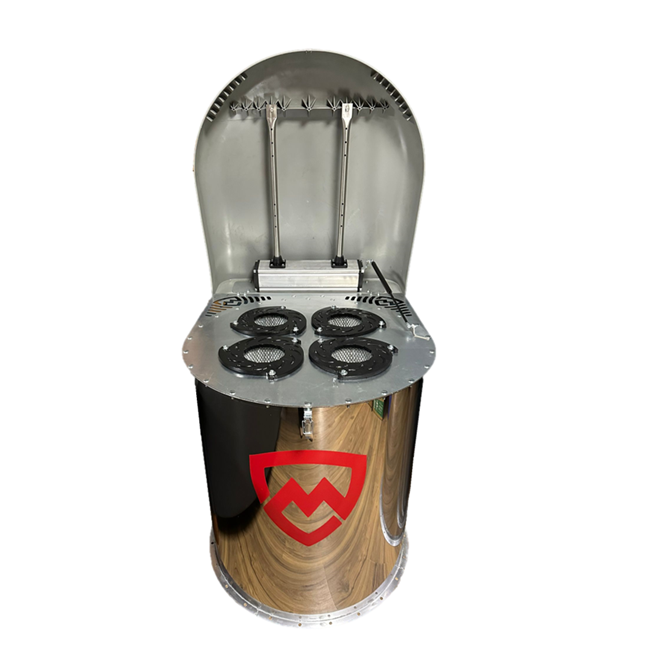
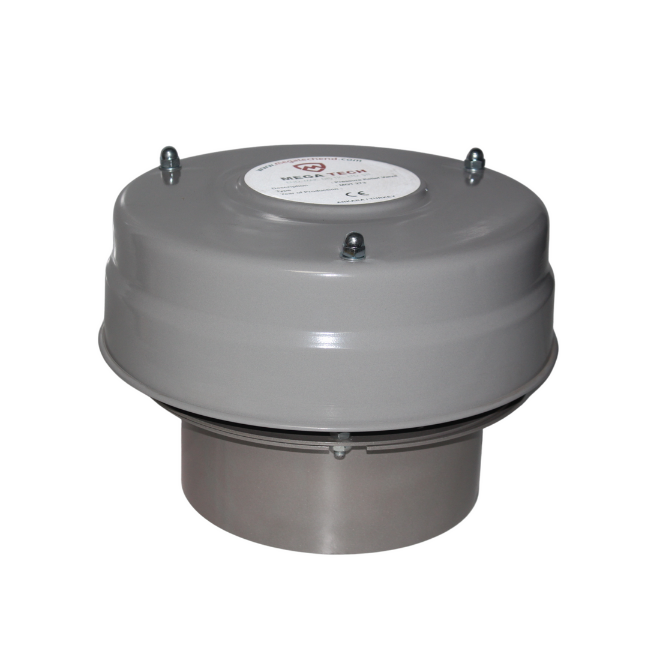
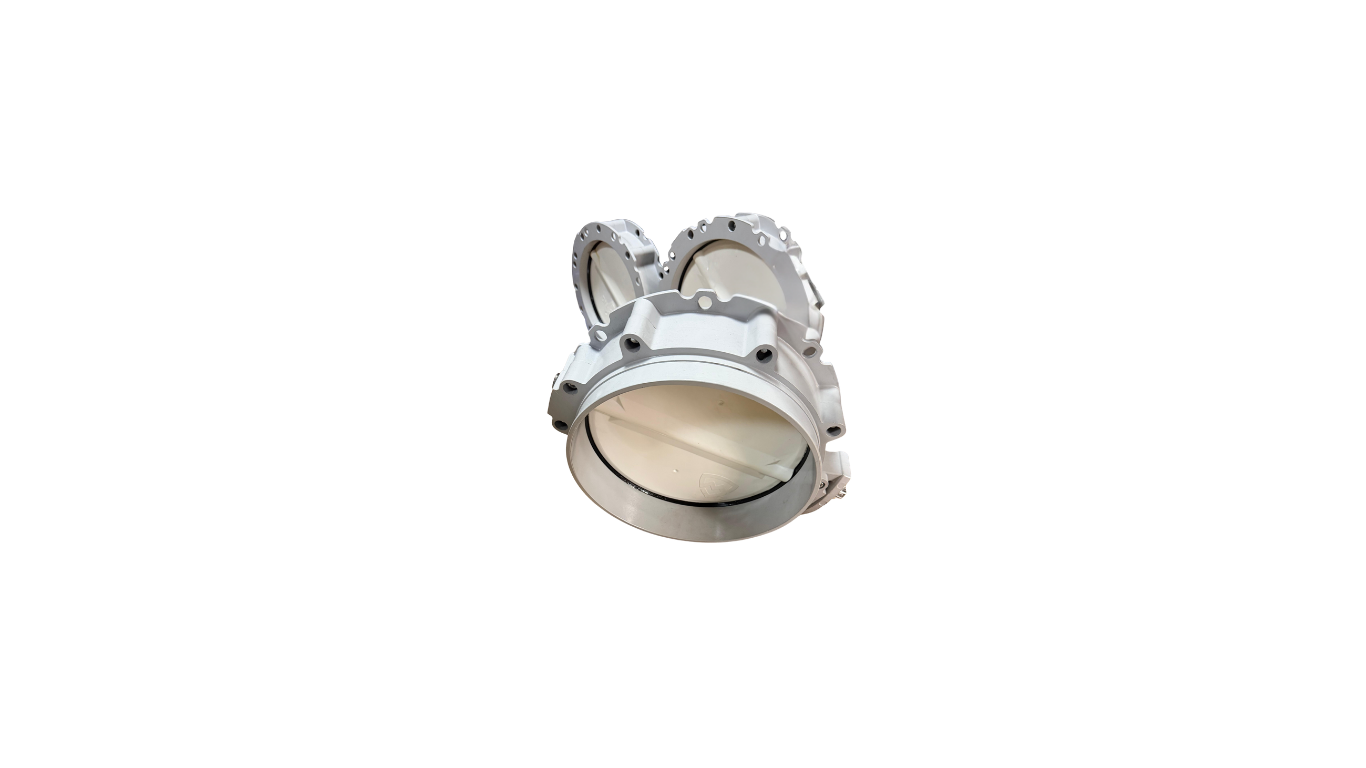
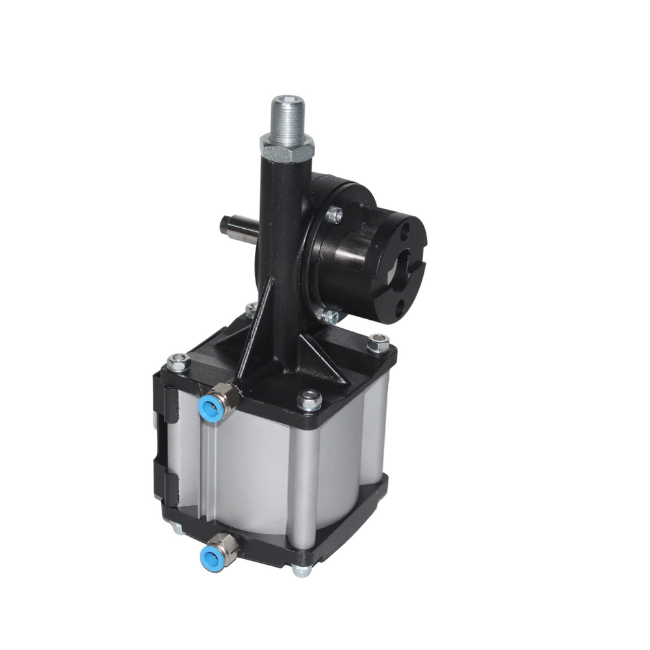
A silo level sensor is an industrial device used to monitor and measure the level of bulk materials stored inside silos, bins, and storage containers. These sensors play a crucial role in industrial storage systems by providing accurate information about material levels and helping operators manage production processes efficiently.
In industries such as cement production, concrete batching plants, mining operations, and food processing facilities, monitoring material levels inside silos is essential for maintaining continuous production and preventing operational interruptions.
A silo level sensor helps detect whether the storage unit is full, empty, or at a specific level, allowing operators to control material flow and maintain optimal inventory levels.
How Does a Silo Level Sensor Work?
A silo level indicator works by detecting the presence or absence of bulk materials inside a storage container. Depending on the sensor type and technology used, the device may measure material levels using mechanical, capacitive, rotary, or vibration-based detection systems.
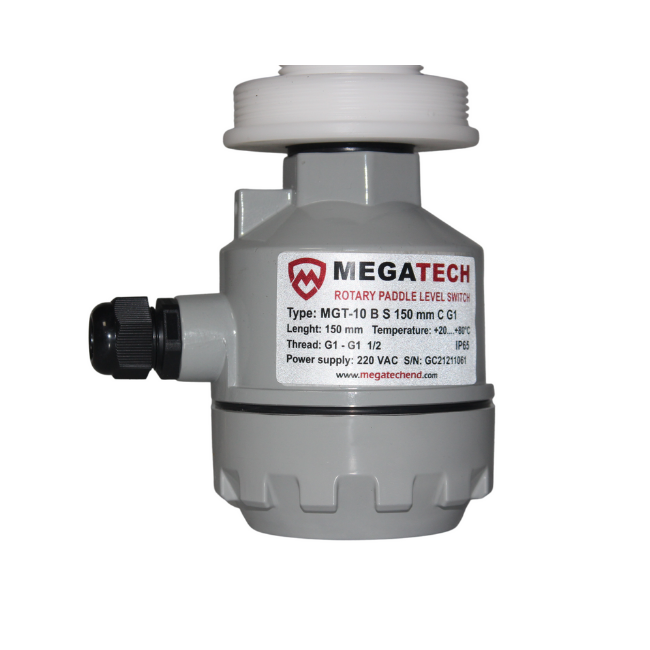
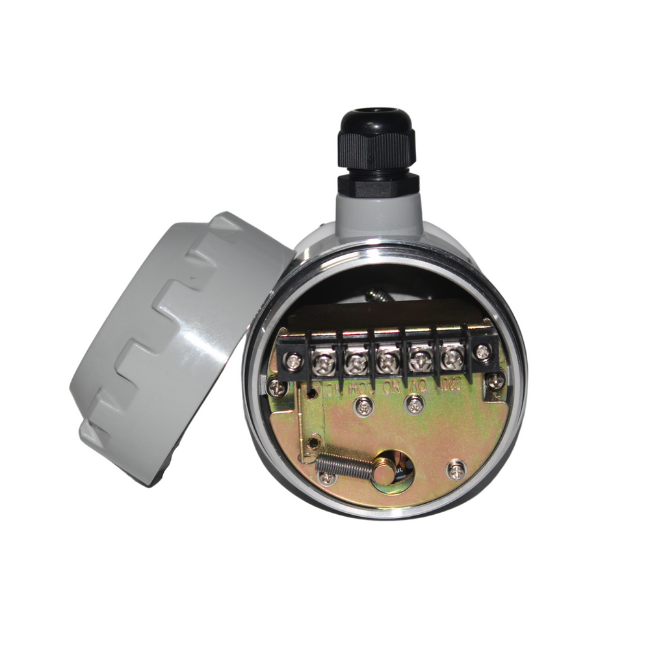
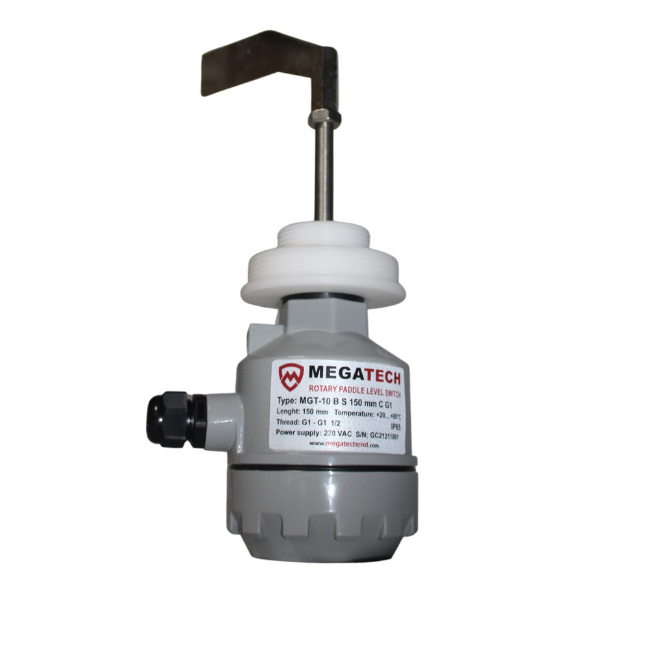
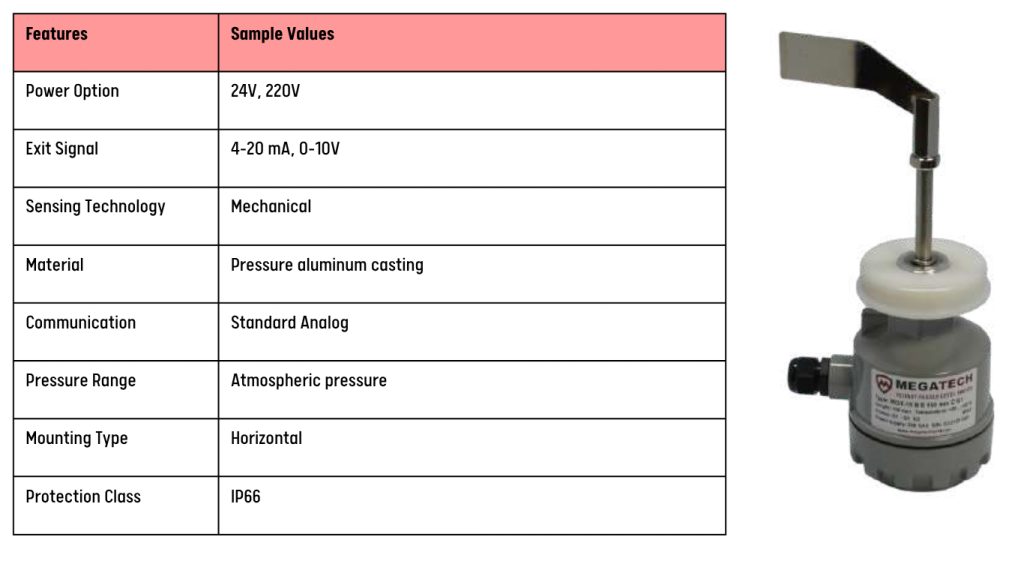
For example, in rotary level indicators, a rotating paddle inside the silo stops when it comes into contact with stored material. This change in movement signals that the material has reached a certain level.
Similarly, other silo level indicator may use electronic detection technologies to identify the presence of bulk materials and transmit signals to monitoring systems.
Because of these technologies, a silo level sensor can provide reliable level detection even in harsh industrial environments.
Advantages of Silo Level Sensors
Accurate Level Monitoring
A silo level indicator provides precise monitoring of material levels inside industrial storage systems.
Improved Process Efficiency
By knowing the exact material level inside a silo, operators can optimize production planning and prevent material shortages.
Prevention of Overfilling
A silo level sensor helps prevent overfilling, which can lead to equipment damage or material loss.
Durable Industrial Design
Industrial level sensors are designed to operate reliably in demanding environments such as cement plants and mining facilities.
Easy Installation
Most silo level sensors can be installed easily on silo walls or storage containers.
Low Maintenance Requirements
Because of their robust design, these sensors require minimal maintenance and provide long-term operation.
Application Areas
A silo level sensor is widely used in many industries where bulk materials are stored.
Typical applications include:
- cement plants
- concrete batching plants
- fly ash silos
- grain storage silos
- mining and mineral processing plants
- food processing industries
- chemical production facilities
In these industries, a silo level sensor ensures reliable monitoring of material levels and supports efficient production processes.
Importance of Level Sensors in Industrial Silo Systems
In modern industrial facilities, efficient material management is essential for maintaining productivity and reducing operational costs.
A silo level sensor helps operators monitor storage capacity, avoid material shortages, and maintain a stable supply of raw materials for production.
By integrating level sensors with industrial control systems, companies can automate monitoring processes and improve overall system efficiency.
Industrial storage systems commonly combine silo level sensor technology with screw conveyor and silo equipment to ensure efficient bulk material handling.
https://www.youtube.com/@megatechhelezonuretimi2062