






What is a Pneumatic Actuator?
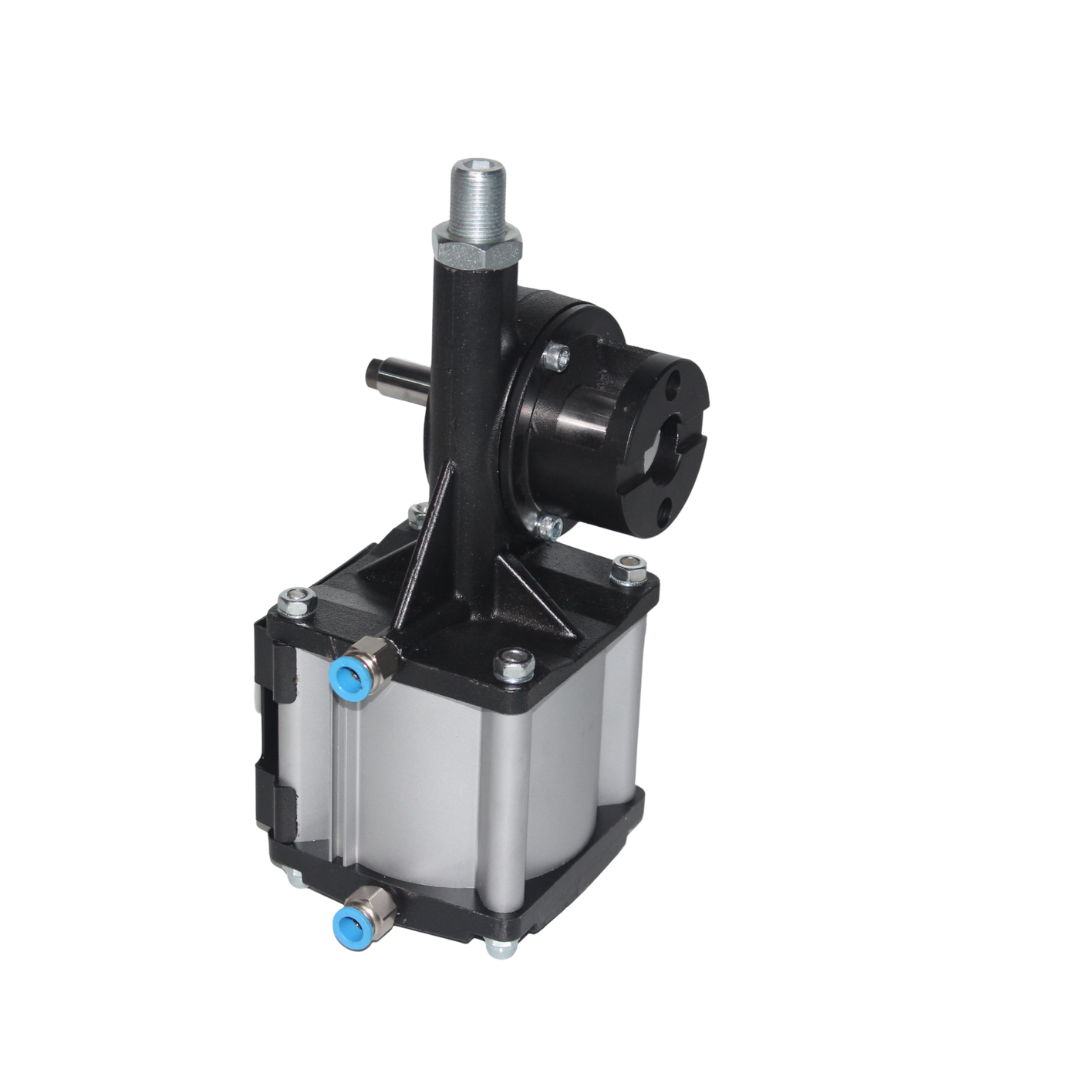
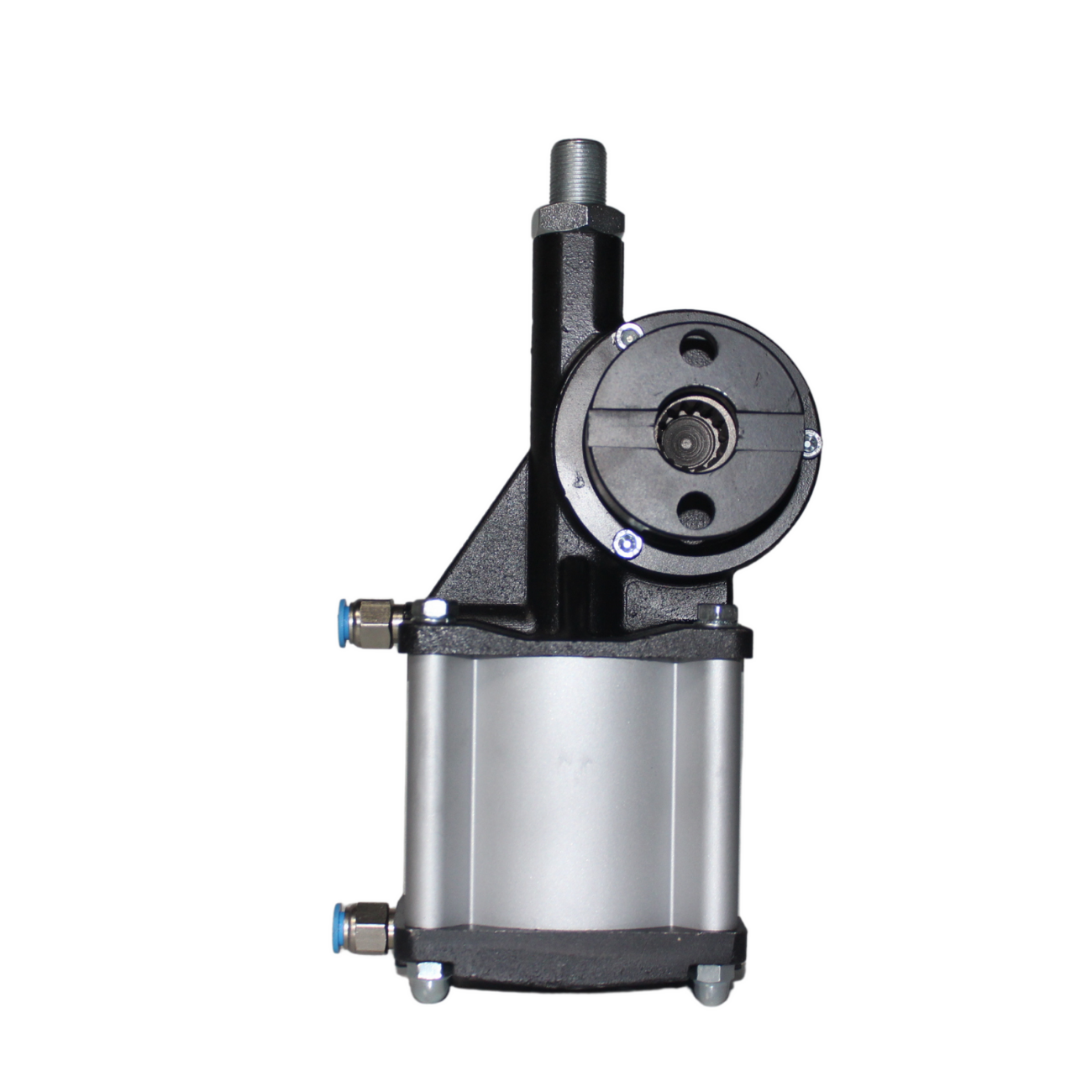
A actuator is an industrial device used to automate the operation of valves and mechanical systems using compressed air. It converts air pressure into mechanical motion, allowing valves to open, close, or regulate flow within industrial pipelines and processing systems.
In modern industrial plants, manual valve operation can be inefficient and time-consuming. By installing a actuator, industrial facilities can automate valve operations, improve process control, and increase overall system efficiency.
Pneumatic actuators are widely used in industries such as cement production, concrete batching plants, chemical processing facilities, food production lines, and bulk material handling systems.
Because of their reliability, fast response time, and simple mechanical design, pneumatic actuators have become essential components in industrial automation systems.
How Does a Pneumatic Actuator Work?
A actuator operates using compressed air supplied by an air compressor or pneumatic system. When pressurized air enters the actuator chamber, it pushes a piston or diaphragm that converts the air pressure into mechanical motion.
This movement rotates or moves the valve stem, allowing the valve to open or close automatically. Once the air pressure is released or reversed, the actuator returns to its original position.
Depending on the application, pneumatic actuators can operate in:
- single acting systems
- double acting systems
Single-acting actuators use air pressure for movement in one direction and a spring to return to the original position. Double-acting actuators use compressed air for movement in both directions.
Because of this mechanism, a actuator provides precise and reliable valve control in industrial processes.
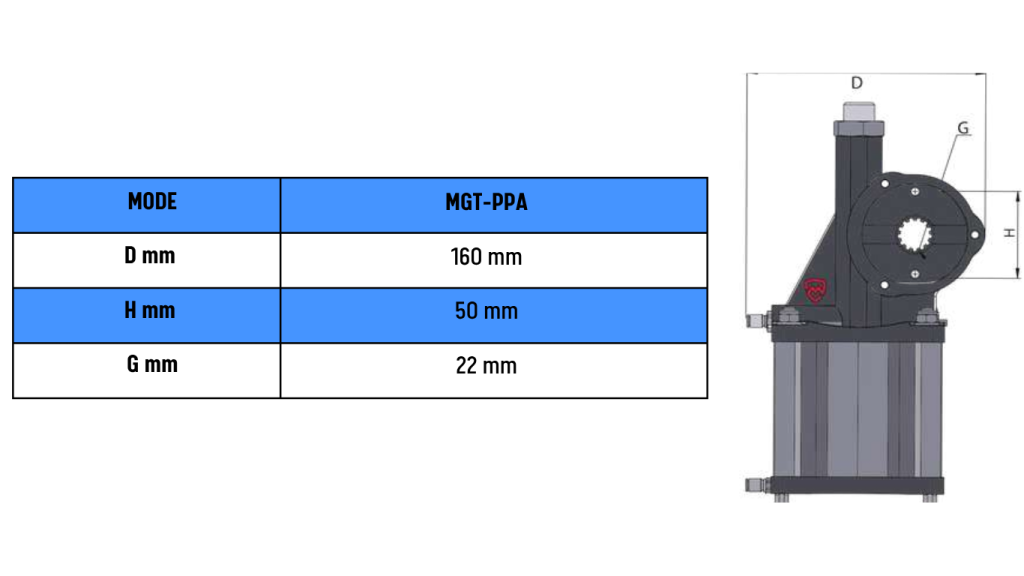
Advantages of Pneumatic Actuators
Fast and Reliable Operation
A actuator provides rapid response times and reliable valve automation in industrial systems.
Safe Operation in Industrial Environments
Because they operate using compressed air instead of electricity, pneumatic actuators are suitable for hazardous environments.
Durable Industrial Design
Industrial pneumatic actuators are manufactured from robust materials designed to withstand demanding operating conditions.
Easy Integration with Automation Systems
A actuator can easily integrate with control systems, positioners, and sensors used in industrial automation.
Low Maintenance Requirements
The mechanical simplicity of pneumatic systems ensures minimal maintenance and long service life.
Application Areas
A actuator is widely used in many industrial sectors.
Typical applications include:
- cement plants
- concrete batching plants
- silo equipment systems
- chemical production facilities
- food processing plants
- water treatment systems
- mining and mineral processing plants
In these industries, pneumatic actuators are commonly installed on valves controlling material flow within pipelines and industrial processing systems.
Importance of Pneumatic Actuators in Industrial Automation
Industrial facilities increasingly rely on automation systems to improve productivity, safety, and operational efficiency. A actuator allows operators to control valves remotely and automatically without manual intervention.
By integrating pneumatic actuators with control systems, industrial plants can achieve precise control over fluid or bulk material flow. This improves process stability and reduces the risk of human error.
Because of their efficiency and reliability, pneumatic actuators are widely used in modern industrial automation systems.
Industrial automation systems often combine actuator solutions with butterfly valve and silo equipment to control material flow in bulk material handling systems.
https://www.youtube.com/@megatechhelezonuretimi2062